Winter Safety Tips for Outdoor Workers in the Chicago Metro Area
December 4, 2024Winter in the Chicago Metro area brings icy winds, heavy snowfall, and freezing temperatures, creating unique challenges for outdoor workers. At Premier Occupational Health, with locations in Elmhurst, New Lenox, and Bolingbrook, we’re dedicated to helping businesses keep their teams safe. Below are essential winter safety tips to minimize risks and protect workers in harsh winter conditions.
Understanding Winter Hazards
Outdoor workers in the Chicago Metro Area face risks such as:
- Cold Stress: Conditions like hypothermia and frostbite can occur with prolonged exposure to freezing temperatures.
- Slips and Falls: Icy surfaces increase the chances of injuries.
- Reduced Performance: Cold weather can decrease mental alertness and physical stamina.
Essential Winter Safety Tips
- Dress for the Weather
- Layer up: Start with moisture-wicking base layers, add insulating fabrics like fleece, and finish with waterproof, wind-resistant outerwear.
- Protect extremities: Insulated gloves, thermal socks, and waterproof boots are essential. Use hats or balaclavas to retain heat.
- Wear eye protection: Goggles or sunglasses reduce snow glare and shield eyes from cold winds.
- Stay Dry
- Waterproof gear: Choose outer layers that repel moisture to keep snow and ice out.
- Spare clothing: Always have dry clothes on hand in case current layers become wet.
- Monitor Weather Conditions
- Check forecasts: Stay updated on the latest weather conditions in the Chicago Metro area.
- Plan accordingly: Schedule outdoor work to avoid extreme weather or the coldest parts of the day.
- Prevent Slips and Falls
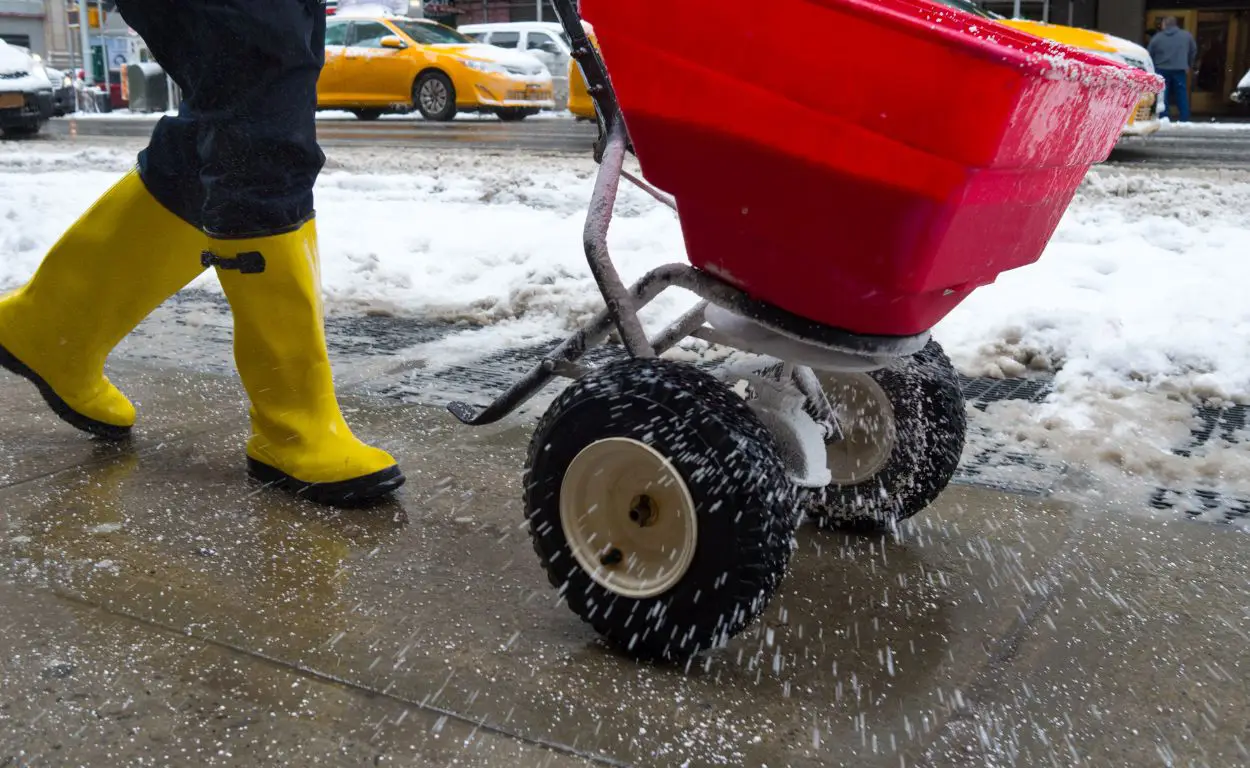
- Clear walkways: Regularly remove snow and apply salt or sand to icy areas.
- Use proper footwear: Boots with good traction and optional ice cleats reduce the risk of slipping.
- Schedule Warm-Up Breaks
- Take breaks indoors: Provide heated shelters where workers can warm up regularly.
- Stay nourished: Encourage eating high-calorie foods to maintain energy.
- Stay Hydrated and Nourished
- Drink fluids: Hydration is crucial, even when it’s cold. Provide warm, decaffeinated beverages.
- Balanced diet: A diet rich in carbohydrates and healthy fats helps workers stay energized and warm.
- Educate on Cold Stress
- Recognize symptoms: Train workers to identify signs of hypothermia and frostbite, such as shivering, numbness, and pale or waxy skin.
- Respond promptly: Ensure everyone knows first-aid steps for cold-related illnesses.
- Maintain Equipment
- Cold-weather gear: Use tools and equipment designed for freezing temperatures.
- Inspect regularly: Check machinery and batteries, as cold weather can impact functionality.
A Shared Commitment to Winter Safety
At Premier Occupational Health, we’re here to help employers in the Chicago Metro area foster a culture of safety. By taking these precautions, businesses can protect their teams and maintain productivity during the winter months.
If you’re looking for assistance with workplace safety programs or occupational health services, contact Premier Occupational Health today. Together, we can keep your workforce safe and prepared for whatever winter brings.
© 2026 Premier Occupational Health Services