Respiratory Health for Workers: Addressing Occupational Asthma and Allergies
August 1, 2025At Premier Occupational Health, we understand that respiratory health is critical for employee well-being and workplace productivity. In industries like manufacturing, healthcare, construction, and agriculture, workers are often exposed to airborne hazards such as dust, chemicals, mold, and animal dander—common triggers for occupational asthma and allergies. By identifying these risks and implementing proactive safety measures, employers can create a healthier, more productive work environment.
The Importance of Respiratory Health
Healthy lungs are essential for maintaining energy, focus, and overall job performance. When asthma or allergies go unmanaged, employees may experience frequent absences, increased medical costs, and even long-term health complications. Taking proactive steps to reduce respiratory hazards not only protects individual workers but also strengthens organizational efficiency and morale.
Common Workplace Triggers
Understanding and addressing common respiratory hazards can help prevent issues before they arise.
Dust and Particles
- Manufacturing & Construction: Exposure to silica, metal, or wood dust.
- Textile Work: Fabric fibers and lint can cause airway irritation.
Chemical Irritants
- Industrial Work: Solvents, paints, and cleaning agents emit fumes that can trigger symptoms.
- Agriculture: Pesticides and fertilizers can exacerbate breathing issues.
Biological Agents
- Mold & Bacteria: Thrive in damp or poorly ventilated areas.
- Animal Proteins: A concern for veterinary and farming professionals.
Recognizing Early Warning Signs
Encouraging employees to report respiratory symptoms early can help prevent serious health consequences. Common warning signs include:
- Frequent coughing or wheezing
- Shortness of breath or chest tightness
- Persistent runny nose or watery eyes
- Symptoms that worsen during or after work
Preventive Measures for a Safer Workplace
Addressing workplace hazards with targeted interventions can significantly reduce the risk of occupational asthma and allergies. Employers should consider the following steps:
Assess & Identify Hazards
- Air Quality Testing: Regularly measure dust and chemical levels.
- Risk Assessments: Identify tasks with high exposure risks.
Improve Ventilation
- HVAC Maintenance: Clean or replace filters on a scheduled basis.
- Local Exhaust Ventilation: Capture and remove contaminants at the source.
Provide Proper PPE
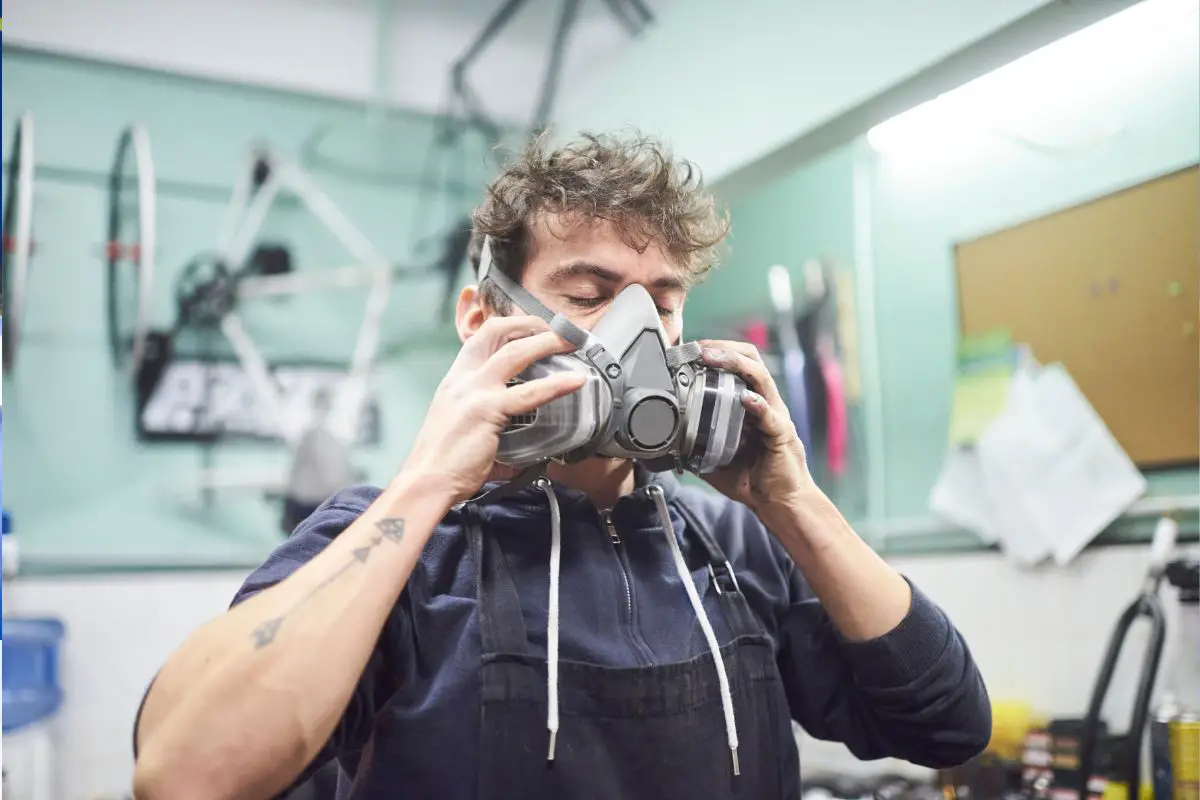
- Respirators & Masks: Select models rated for specific hazards, such as N95 or higher.
- Protective Clothing: Gloves and gowns can minimize direct allergen exposure.
Training & Communication
- Symptom Awareness: Educate employees on early signs of asthma or allergic reactions.
- Safe Work Practices: Reinforce proper chemical handling and cleaning routines.
Health Monitoring & Support
- Medical Screenings: Offer regular health check-ups for at-risk employees.
- Allergy Testing: Provide access to resources or specialist referrals when needed.
Building a Culture of Respiratory Safety
A strong workplace safety culture starts with leadership commitment and open communication. When employees feel supported, they are more likely to follow safety protocols and report potential concerns. Regularly reviewing and updating workplace policies—along with leveraging new technologies—can help minimize airborne hazards and ensure long-term respiratory health for all workers.
Partner with Premier Occupational Health
At Premier Occupational Health, we provide comprehensive workplace health solutions, including respiratory health assessments, medical screenings, and training programs. By prioritizing employee well-being, your organization can reduce health risks, improve productivity, and create a safer, more engaged workforce.
Protect your employees and your business—contact Premier Occupational Health today to learn more about our respiratory health services.
© 2026 Premier Occupational Health Services