Ensuring Compliance with OSHA’s Hazard Communication Standard
June 2, 2025Handling hazardous chemicals is a common aspect of many workplaces, but without proper communication and safety measures, these substances can pose serious risks to employees. The Occupational Safety and Health Administration (OSHA) established the Hazard Communication Standard (HCS) to ensure that information about chemical hazards and protective measures is effectively communicated. Compliance with this standard is essential not just for legal reasons but also for the health and safety of everyone in the workplace. Premier Occupational Health helps businesses navigate these regulations, ensuring employees remain safe and compliant.
Why Hazard Communication Matters
Chemicals can present physical hazards like fires and explosions or health hazards such as respiratory issues, skin irritation, and long-term diseases. The HCS, often referred to as the “Right-to-Know” law, empowers employees by providing them with the knowledge they need to protect themselves from these risks. Effective hazard communication helps prevent accidents, injuries, and illnesses related to chemical exposure. Premier Occupational Health offers medical surveillance programs, respiratory clearance exams, and certified hearing tests to monitor employees exposed to hazardous substances.
Key Components of the Hazard Communication Standard
To effectively manage hazardous chemicals in the workplace, it’s crucial to follow the key components of the OSHA Hazard Communication Standard. Each component—from maintaining a comprehensive chemical inventory to ensuring accessible Safety Data Sheets (SDS) and proper labeling—helps protect employee health and safety. Training is essential, not only for understanding chemical hazards but also for correctly interpreting labels and SDS information. Additionally, a written communication plan should outline procedures for managing and sharing information on chemical hazards, especially in multi-employer worksites. Here’s a breakdown of each step:
Chemical Inventory
- Identify hazardous chemicals: Compile a comprehensive list of all hazardous chemicals present in your workplace.
- Regular updates: Keep this inventory current by adding new chemicals and removing ones no longer in use.
- Accessibility: Ensure that the inventory is readily accessible to all employees.
Safety Data Sheets (SDS)
- Obtain SDS: For every hazardous chemical, acquire an up-to-date Safety Data Sheet from the manufacturer or supplier.
- Standardized format: OSHA requires SDS to follow a 16-section format, providing detailed information about the chemical.
- Employee access: Make sure that SDS are easily accessible to employees during their work shifts, either electronically or in hard copy.
- Training on SDS: Employees should be trained on how to read and understand the information provided in SDS.
Labeling of Containers
- Proper labels: All chemical containers must be labeled with:
- Product identifier: The chemical name and any common names.
- Signal word: “Danger” for more severe hazards or “Warning” for less severe hazards.
- Hazard statements: Brief statements of the nature of the hazard(s).
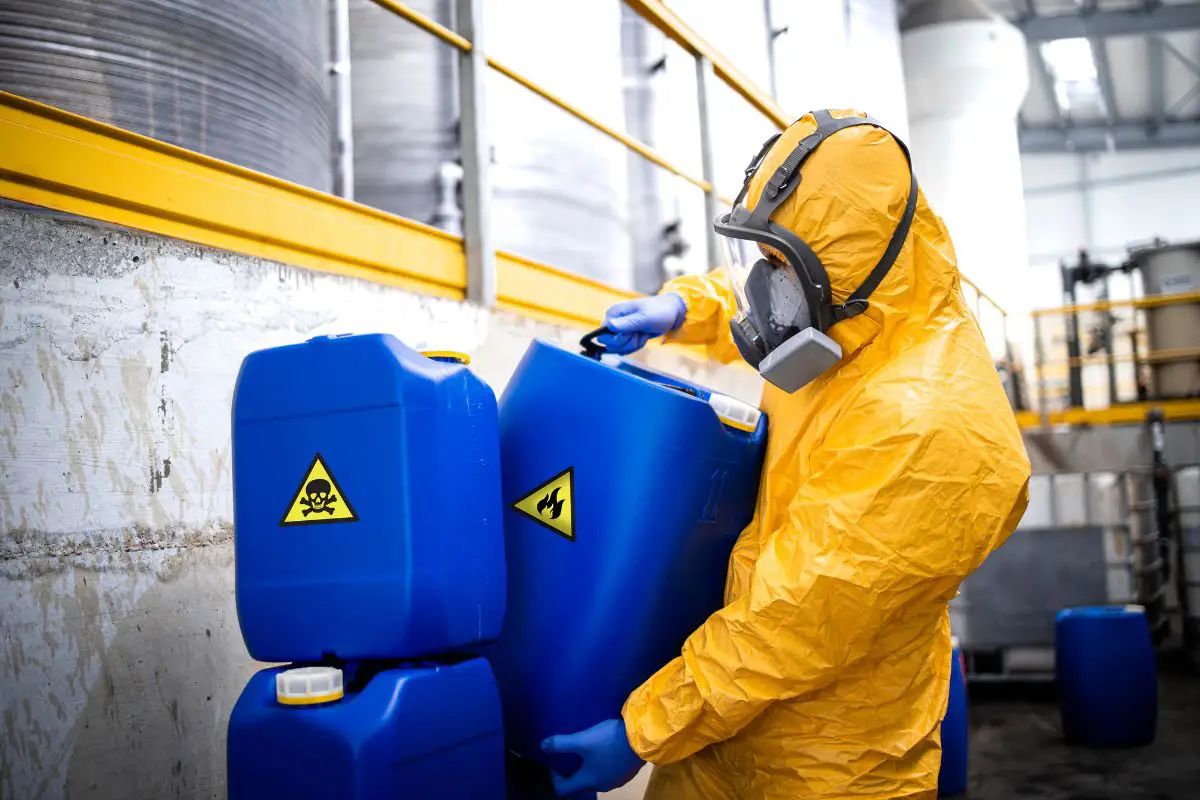
- Pictograms: Standardized symbols representing the type of hazard (e.g., flame for flammables).
- Precautionary statements: Measures to minimize or prevent adverse effects.
- Supplier information: Name, address, and telephone number of the manufacturer or importer.
- Secondary containers: If chemicals are transferred to secondary containers, these must also be labeled unless they are for immediate use by the person who performed the transfer.
Employee Training
- Initial and ongoing training: Provide training at the time of initial assignment and whenever a new chemical hazard is introduced.
- Training content:
- Understanding labels and SDS: How to read and interpret them.
- Physical and health hazards: Information about the chemicals employees may be exposed to.
- Protective measures: Procedures for handling chemicals safely, including the use of personal protective equipment (PPE).
- Emergency procedures: Steps to take in case of a spill or exposure.
- Language and literacy considerations: Training must be provided in a manner that employees can understand.
Premier Occupational Health offers specialized employee training programs, including respirator fit tests and occupational health conditioning, to ensure workers are fully prepared to handle hazardous materials safely.
Written Hazard Communication Program
- Develop a plan: Create a written program that outlines how hazard communication will be managed in your workplace.
- Program elements:
- Chemical list: Reference to the chemical inventory.
- Labeling procedures: How labels are maintained and updated.
- SDS management: How SDS are collected and made accessible.
- Training details: Outline of the training program and schedule.
- Multi-employer worksites: Procedures for informing other employers about chemical hazards.
Informing Contractors and Visitors
- Information sharing: Ensure that contractors and visitors are informed about chemical hazards they may encounter.
- SDS availability: Provide access to relevant SDS for contractors.
Steps to Ensure Compliance
To maintain OSHA compliance, follow these essential steps for managing hazardous chemicals in the workplace:
- Conduct a hazard assessment
- Review all work areas to identify where hazardous chemicals are used or stored.
- Determine who may be exposed to these chemicals.
- Develop and implement the written program
- Use OSHA’s guidelines to create a comprehensive hazard communication plan.
- Assign responsibility for maintaining the program and updating it as needed.
- Organize and maintain SDS
- Create a centralized system for storing SDS, whether digitally or in binders.
- Regularly check for updated SDS from manufacturers.
- Ensure proper labeling
- Audit all chemical containers to verify labels are compliant.
- Implement procedures for labeling secondary containers.
- Provide effective training
- Schedule training sessions for all employees, including refreshers.
- Use a variety of teaching methods to accommodate different learning styles.
- Monitor and review
- Regularly review your hazard communication program for effectiveness.
- Update the program in response to changes in chemicals used or new OSHA regulations.
Premier Occupational Health: Your Partner in Hazard Communication Compliance
Ensuring compliance with OSHA’s Hazard Communication Standard is a critical aspect of workplace safety. It requires diligence, organization, and a commitment to ongoing education. By taking the necessary steps to comply with the HCS, employers not only protect their employees but also contribute to a safer, more productive work environment.
Premier Occupational Health provides comprehensive occupational health services, including medical surveillance programs, respirator clearance exams, asbestos physical exams, and return-to-duty exams to help businesses maintain compliance and safeguard employee health.
If you want to know more about how Premier Occupational Health can assist your company with OSHA regulation compliance, employee health programs, and more, call us today.
© 2026 Premier Occupational Health Services