Maintaining Workplace Wellness in Winter: Ensuring Safe and Healthy Indoor Air Quality
December 1, 2025Winter brings unique challenges to workplace health, including low humidity, sealed windows, and recirculated indoor air. These factors can negatively impact employee comfort and health. Dry, stagnant indoor air can worsen respiratory problems, increase germ transmission, and trigger allergies or asthma. By prioritizing Indoor Air Quality (IAQ) during the colder months, employers can foster a healthier, more productive work environment. Premier Occupational Health offers solutions to optimize your workplace IAQ, ensuring a safe and healthy space for your employees.
Why Winter IAQ Matters
As temperatures drop, IAQ often takes a hit. Closed windows, dry air, and reduced ventilation can lead to a buildup of pollutants and an increased risk of illness. Poor IAQ doesn’t just affect health—it can also impact comfort, productivity, and overall workplace morale. Here’s why winter IAQ matters and what to watch for.
- Reduced Ventilation
When windows and doors stay closed to retain heat, fresh air circulation plummets. Without proper ventilation, pollutants such as dust, pet dander, and chemical fumes may build up. - Increased Germ Spread
Cold and flu viruses thrive in poorly ventilated indoor spaces. Dry air also decreases the body’s natural defenses—like the mucus membranes in your nose—making it easier for pathogens to infect the respiratory system. - Comfort and Morale
Employees who suffer from itchy eyes, sore throats, or frequent headaches in stuffy conditions are more prone to fatigue and stress. Maintaining good IAQ helps everyone feel more comfortable and focused.
Practical Steps for Improving Winter Air Quality
Improving IAQ doesn’t have to come with a hefty price tag. Small, cost-effective adjustments can make a significant difference in reducing pollutants, maintaining comfortable humidity levels, and promoting better health. Here are practical steps to enhance winter air quality without breaking the budget.
- Optimize HVAC Systems
- Regular Maintenance: Schedule routine inspections to clean or replace filters. Dust and other particles can accumulate rapidly in heating units.
- Balanced Temperatures: Overheating can worsen dryness. Keeping indoor temperatures consistent, rather than excessively high, helps retain some moisture in the air.
- Use Humidifiers Wisely
- Proper Humidity Levels: Aim for a relative humidity (RH) between 30% and 50%. Below 30%, air becomes too dry; above 50%, it’s prone to mold growth.
- Clean Equipment: Humidifiers and their components need to be cleaned and disinfected to prevent bacterial or mold buildup.
- Increase Ventilation Whenever Possible
- Controlled Fresh Air: Even brief intervals of opening windows or doors can introduce fresh air, though be mindful of energy costs.
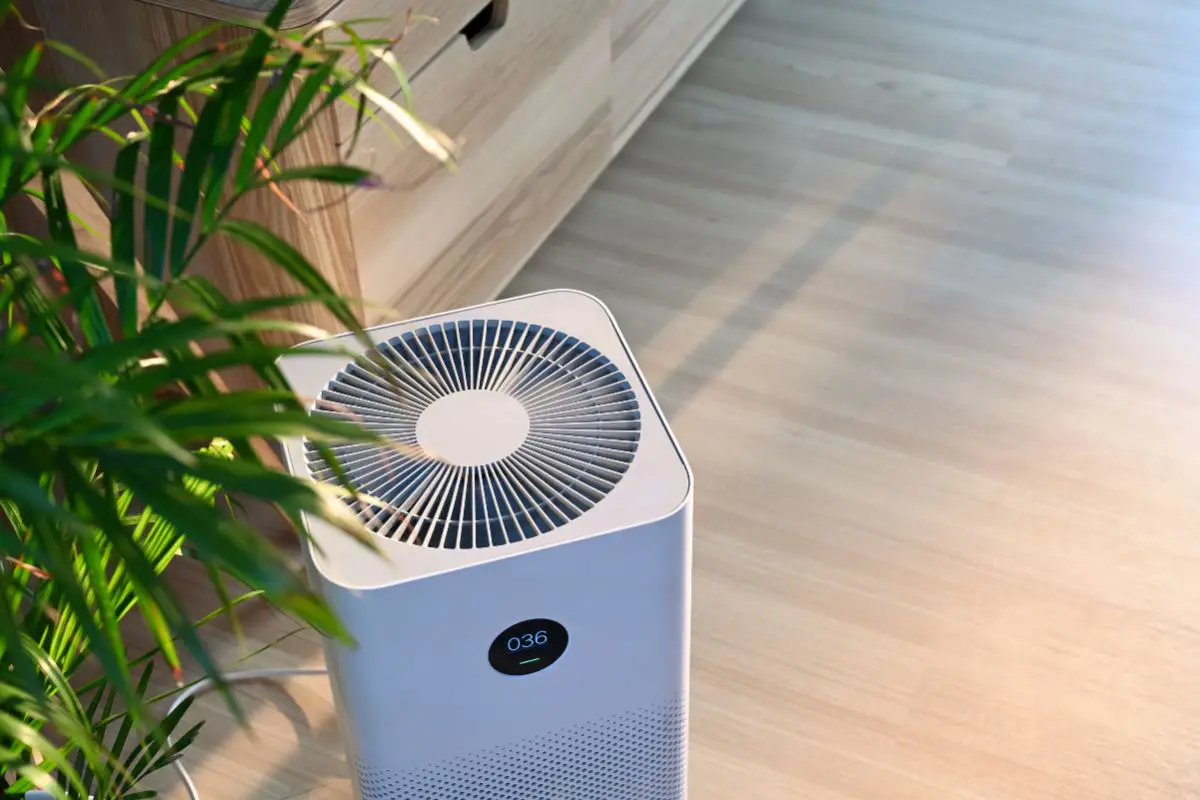
- Air Purifying Systems: Consider portable air cleaners with HEPA filters in areas where outdoor ventilation isn’t feasible.
- Manage Indoor Pollutants
- Safe Storage of Chemicals: Keep cleaning supplies and chemicals sealed, especially if they emit strong odors.
- Non-Toxic Alternatives: Switch to low- or no-VOC (volatile organic compound) paints, adhesives, and cleaning products.
- Regular Cleaning: Vacuum carpets, mop floors, and wipe down surfaces more frequently during winter when dust and germs can accumulate faster.
- Encourage Personal Health Practices
- Hand Hygiene: Promote frequent handwashing and place sanitizers around the workplace to curb the spread of illness.
- Hydration and Nutrition: Dry indoor air can cause dehydration. Remind employees to drink water and provide healthy snack options to support immune health.
- Illness Policies: Urge employees to stay home if they experience flu-like symptoms, helping reduce the risk of outbreak in closed indoor spaces.
Sustaining a Healthy Indoor Environment for Winter Workplace Wellness
Maintaining good indoor air quality in winter isn’t a one-time task – it’s an ongoing commitment for workplace wellness. Premier Occupational Health recommends regularly inspecting HVAC equipment, monitoring humidity levels, and soliciting feedback from employees about comfort and air quality. Small adjustments, like rotating air purifiers or adjusting thermostat settings, can make a noticeable difference in overall well-being and employee health.
Bottom Line: By paying attention to temperature, humidity, ventilation, and hygienic practices, employers can create a healthier, more inviting workspace throughout the colder months. In turn, a comfortable, safe environment boosts morale and workplace productivity, ensuring that winter at work is not just bearable, but truly beneficial for everyone.Contact Premier Occupational Health today to learn how we can help you create a healthier, more productive workplace this winter.
© 2026 Premier Occupational Health Services